Getting a customer to subscribe is only the beginning of a business relationship. The real challenge is giving that customer enough value to continue using the service. If customers don’t understand their plans, receive poor support, or struggle to get help as their needs change, they may leave. This is why subscription-based businesses need to look beyond recurring payments.
They must understand customer expectations, keep account information accurate, and provide a consistent experience throughout the subscription lifecycle. Subscription management software helps businesses organize these activities. It brings subscription records, billing information, and customer details into a more structured process.
What Is Subscription Management and Why Does Customer Retention Matter?
Subscription management is the process of handling an ongoing customer relationship in which a person or business pays regularly for a product or service. It covers activities from the initial signup to customer engagement, plan changes, renewals, and cancellations.
For example, a software company may offer monthly and annual plans. After signup, the company must maintain the customer’s account details, provide access to the selected service, answer questions, and communicate important changes.
Recurring billing is one part of this process. However, subscription management also involves understanding whether customers receive the value they expected.
Customer retention matters because a business must maintain existing relationships while attracting new subscribers. If customers repeatedly leave, the company needs to spend more effort replacing them. A consistent customer experience can help reduce avoidable cancellations and support long-term relationships.
Where Do Businesses Lose Customers During the Subscription Lifecycle?
Customers may cancel for different reasons. Sometimes the service no longer meets their requirements. In other cases, the problem comes from poor communication or an experience that makes the subscription difficult to use.
Here are common situations that can affect customer retention.
- Confusing onboarding: Customers may not understand how to access or use the service after subscribing.
- Limited customer communication: Businesses may contact customers only when a payment or renewal is due.
- Unclear plan information: Customers may not understand what their current subscription includes.
- Slow issue resolution: Unanswered questions or unresolved complaints can reduce customer confidence.
- Changing customer requirements: A customer may need a different plan as their business or personal needs change.
- Lack of feedback: Businesses may not ask why customers are dissatisfied or considering cancellation.
These problems can occur even when the billing process works correctly. Therefore, businesses should review the complete customer experience instead of focusing only on payment status.
How Can Businesses Improve Each Stage of the Subscription Lifecycle?
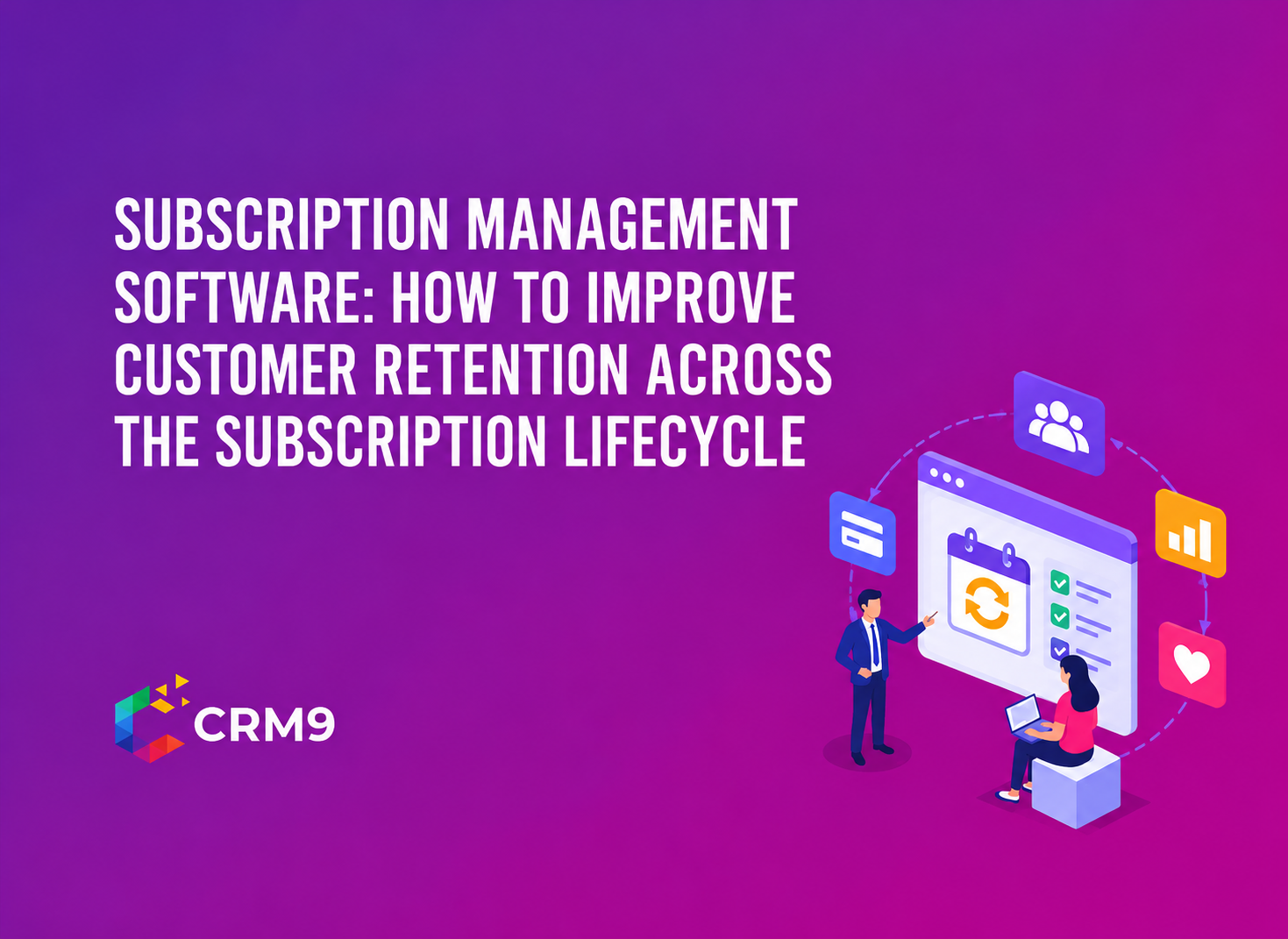
Subscription lifecycle management involves looking at the different stages of a customer relationship and deciding what support each stage requires.
1. Make the Onboarding Experience Clear
The first experience after signup can influence how customers view the service. Give new subscribers clear instructions about account access, plan benefits, and available customer support.
For example, a business offering an online learning service can explain how customers access courses, track progress, and contact support. This helps subscribers understand what they purchased and how to use it.
2. Maintain Regular Customer Engagement
Do not wait until a customer reports a problem. Check whether the service continues to meet their expectations. Share relevant updates, answer questions, and make useful information easy to access.
However, communication should remain relevant. Sending too many promotional messages can become frustrating rather than helpful.
3. Review Changing Customer Requirements
A customer’s needs may change during a subscription. A small business may need additional user accounts, while an individual may prefer a lower-cost plan.
Give customers a clear way to discuss these requirements. Review their current plan and explain suitable options without pressuring them to upgrade.
4. Make Renewal Decisions Easier
Customers should understand what they are paying for and what happens when their current subscription ends. Communicate important terms clearly and give them enough information to make a decision.
A renewal conversation can also help identify concerns before they become cancellation decisions.
5. Learn From Cancellations
Not every customer will continue subscribing. When someone cancels, record the reason if they are willing to share it.
Several customers may mention the same issue, such as limited features, poor support, or pricing concerns. Reviewing these responses can help businesses identify areas that need improvement.
How Can Subscription Data Help Businesses Understand Customer Needs?
Subscription records contain useful information about customer relationships. However, businesses need to review that information regularly to identify patterns.
For example, a company may notice that customers on a particular plan frequently request additional services. Another business may find that cancellations increase after a specific stage of the customer journey.
Teams can review several types of information:
- Plan preferences: Understand which subscription options customers choose most often.
- Account history: Review previous changes and customer interactions.
- Renewal patterns: Identify upcoming renewals and review customer decisions.
- Payment status: Understand which accounts have completed or missed payments.
- Customer feedback: Identify repeated complaints, requests, and reasons for cancellation.
This information helps teams make decisions based on actual customer records instead of assumptions.
A useful approach is to review subscription information alongside customer conversations. Numbers may show that a customer has not renewed, but the interaction history may explain why.
How Does a Subscription CRM Improve Client Subscription Management?
A subscription CRM connects subscription-related information with customer records. Instead of treating every subscription as a separate billing entry, businesses can understand the account behind it.
This is useful when sales, accounts, and customer support teams all interact with the same subscriber.
A client management system helps businesses organize contact details, communication history, notes, documents, and related client information.
For client subscription management, this can help teams:
- Find customer details without searching through separate files.
- Review previous conversations before contacting a subscriber.
- Understand which documents or proposals relate to a client.
- Maintain consistent communication between team members.
- Keep subscription information connected to the wider customer relationship.
For example, a service provider may have a client with multiple active subscriptions. When the client contacts the business about changing a service, the team can review the account information and previous discussions before responding.
A subscription CRM is especially useful when customer relationships involve regular communication, account changes, and ongoing service support.
Which Metrics Should Businesses Monitor to Understand Subscription Performance?
Businesses need more than a list of active subscribers to understand how their subscription model is performing. A few key metrics can help teams review revenue, customer retention, and account activity.
| Metric | What it helps measure |
| Monthly Recurring Revenue (MRR) | Revenue expected from active monthly subscriptions |
| Customer Churn Rate | The share of customers who stop subscribing during a period |
| Renewal Rate | The share of subscriptions renewed during a given period |
| Customer Lifetime Value (CLV) | The estimated revenue a business receives from a customer over the relationship |
| Active Subscriptions | The number of subscriptions currently active |
Review these metrics over consistent time periods. For example, comparing monthly churn rates can help a business understand whether customer cancellations are increasing or decreasing.
However, numbers alone do not explain every change. Combine performance data with customer feedback and account history to understand what may be affecting the results.
What Should You Look for in Subscription Management Software?
The right subscription applications should support the way your business handles recurring customer relationships. Before choosing a platform, consider the following capabilities.
Subscriber and Client Record Management
The system should help your team maintain accurate subscriber information. It should also make it easy to review account details and related customer interactions.
Subscription Lifecycle Visibility
Look for a clear view of active, upcoming, and expired subscriptions. This helps teams understand the current status of customer accounts.
Subscription Billing Management Software
Businesses with recurring payment models need a reliable way to manage invoices and payment records. Check whether the system supports the billing cycle and invoicing process your business follows.
Renewal Notifications
Notifications can help teams prepare for upcoming subscription dates. They also reduce the need to depend on individual employees remembering every account.
Reporting and Analytics
Subscription reporting helps businesses review revenue, renewal activity, and account performance. Choose a system that presents information in a format your team can understand and use.
Integration with Customer Management
Subscription records become more useful when teams can connect them with client information. This makes it easier to understand the complete relationship instead of viewing billing details in isolation.
Is a Free Subscription Manager Enough for Your Business?
A free subscription manager option may be suitable for individuals or businesses with a small number of recurring accounts. It can help users maintain basic records and understand upcoming payments.
However, check its limitations before relying on it for business operations. Some free tools may restrict the number of subscriptions, users, reports, or automation options.
A business should choose software based on its actual requirements rather than selecting a tool only because it is free. Consider the number of subscribers, the complexity of billing, and the level of customer information your team needs to manage.
How Can Businesses Build a Better Subscription Management Process?
Software can organize information, but teams still need a clear process for using it. A practical approach starts with accurate records and clear responsibilities.
- Define the subscription process: Decide how your business handles signups, customer requests, plan changes, and cancellations.
- Maintain accurate account information: Record the selected plan, customer details, and relevant subscription dates.
- Assign responsibility: Make sure someone is responsible for reviewing customer requests and account updates.
- Review customer feedback: Look for recurring issues that may affect satisfaction.
- Monitor performance: Check subscription metrics regularly and investigate significant changes.
- Improve the process: Update communication and service practices based on customer feedback and business requirements.
Conclusion
Subscription management involves more than keeping recurring payments on schedule. Businesses must also understand customer expectations, maintain useful account records and provide consistent support throughout the relationship. The right subscription management software can help organize these activities and give teams better visibility into customer accounts and subscription performance. Before choosing a system, assess your billing requirements, customer management needs and reporting expectations. A process that combines accurate records with regular customer engagement gives businesses a stronger foundation for retaining subscribers.
Related Reads
- Proposal Management: How to Write, Send and Track a Client Proposal
- How to Write a Proposal for a Client: Structure, Wording and Common Mistakes
- Client Follow-Up Reminders: What to Set and When for Proposals, Payments and Renewals
- Task Reminder: How to Set Reminders Your Team Will Actually Act On
- Do You Need Appointment Scheduling Software? Signs a Calendar Stops Working
- What Is Appointment Scheduling? Types of Appointments, Slots and Rules Explained
- What Is a Team Activity Log? How It Works, Benefits, and Best Practices
- How to Track Team Activities Without Micromanaging: A Practical Guide for Managers
- What Is Invoices & Estimates Software and How Does It Simplify Client Billing?
Frequently Asked Questions
Subscription billing handles recurring charges and invoices, while subscription management covers the wider customer relationship, including account changes, engagement, and cancellations.
It helps businesses monitor customer accounts, review subscription activity, and identify opportunities to address customer concerns.
It refers to managing the different stages of a subscription, from signup and onboarding to ongoing service, renewal, and cancellation.
A CRM with subscription management capabilities can connect subscriber information with client records, communication history, and billing details.
It can work for businesses with basic requirements, but growing teams should check limits on subscribers, users, billing, and reporting before choosing a free option.