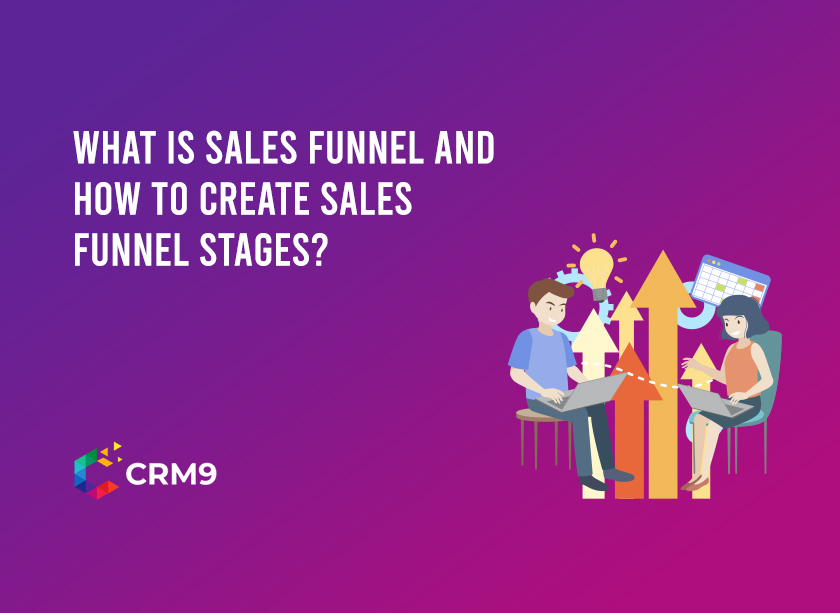
In the competitive world of digital marketing, companies are constantly searching for the means to guide prospects into loyal brand enthusiasts. The most successful method to apply is known as a sales funnel. If you have ever considered what a sales funnel is and how it impacts your company, this guide will make you familiar with everything from its definition to the stages of developing a successful sales funnel.
By knowing what is sales funnel is and applying it, companies can dramatically improve the quantity of leads and their conversion rate. In short, the sales funnel in digital marketing is a model of a business funnel that identifies how you will attract as well as retain customers.
What is Sales Funnel?
A sales funnel is a step wise process by which potential customers get to know your brand first and then become loyal buyers. Imagine it as a customer journey map, beginning with awareness and passing onto interest and consideration and culminating with a purchase or even subsequent purchases.
Simply put, a sales funnel will allow you to know the position of your prospects and what you should do to bring them closer to a sale. It will make all the stages of the sales funnel, such as lead generation and customer retention, to align with your business objectives, be it awareness, engagement, or decision-making.
The strategy of the right sales funnel enables businesses to get quality leads, create trust, seal more deals and develop long-term relationships.maximum revenue.
Did You Know?
More than 68% of organizations have not defined their sales funnel officially, hence low conversion rates.
Why is the Sales Funnel Important?
The sales funnel matters, as it gives a road map on how to turn prospects into customers. Without the sales funnel, businesses miss out on potential customers because of amateurish funnel configurations. Major reasons why the sales funnel matters.
- It improves lead management by enabling teams to concentrate on quality prospects.
- It enables client management by ensuring repetitive interactions at each stage.
- It allows businesses to monitor performance and maximize efforts.
- It adds proposal management, invoice & estimate capability, and subscription-based product plans by incorporating them into the sales process.
Stages in the Sales Funnel
A good business funnel divides the customer’s journey into the steps, or sales funnel stages, required to make sales. Each stage is essential to keep prospects moving toward becoming a loyal customer. Here’s a close look at each.
1. Awareness
This is the highest point of the marketing sales funnel. They may find your company through some channels such as online advertisements, blog entries, social media platforms, SEO marketing funnel techniques, or word-of-mouth. It is done to attract the attention of a potential customer and introduce the product as a solution to his or her problem. Successful content marketing is the most important thing to generate interest and lead into the funnel.
2. Lead Qualification
After grabbing attention, not all leads are an exact fit for what you have to sell. That’s where lead qualification comes in. Companies assess a prospect’s requirements, budget, authority, and buying motivation. Some tools they use include lead generation sales funnels, customer surveys, and scoring systems that eliminate unqualified leads so your salespeople can pursue the best prospects.
3. Interest
At this stage, prospects are exploring your solution. They may browse case studies, download a guide, join a webinar funnel, or consume your social content. They’re interested in learning if the product does what it claims. The company must give prospects the tools they need to stay interested and develop sufficient trust in your product or service. Some examples include free trials, demos, or product comparison guides.
4. Sale
The sales phase is the point of decision where prospects are willing to purchase. Here, the company must impress its customers and offer some incentives. Sales teams must overcome objections and properly demonstrate the value or ROI of the product. Easy checkout, clear pricing and excellent client management software will ensure the strategy achieves conversions at this stage of the sales funnel.
5. Repurchase
The customer journey doesn’t end with the first purchase. Repurchase is part of a healthy business funnel, as companies want to get more customers to repurchase. The lifetime value of the customer is also increased through upselling, cross-selling, loyalty discounts, and product recommendations. The subscription management programs, upgrades, and follow-up also make your products easy to use by the consumer.
6. Post-purchase Loyalty
Customer retention is equally critical compared to acquisition. The aim is to develop long-term relationships through excellent customer support, product onboarding, and an exhaustive knowledge base. Companies can utilize personal communication, community engagement, and privileged offers to make customers promote the brand to their peers.
7. Negotiation
This is the normal stage in the B2B sales funnel and other high-ticket sales. Leads can still be worried about price, contract terms, or service levels even after having shown interest. The concerns must be overcome by having good proposal management and negotiation skills to close the deal. Effective negotiations create trust and offer transparency and create a long-term relationship tone.
How to Create a Sales Funnel? (Step-by-Step)
If you’ve ever questioned how to build a funnel or searched on Google for “how to build funnels that actually convert,” it can seem daunting. However, when you break the process into bite-sized steps, then it becomes not so daunting. This is a framework that has been tested over time to do so.
Step 1: Define Your Audience
Begin with defining your target customer. Know their pain, how they buy, and what drives them to take an action. Having a solid target audience in mind will make your sales funnel strategy solve a genuine problem instead of casting a large net.
Step 2: Attract Leads
The initial contact takes place at the awareness level. Try employing tactics like SEO blogs, pay-per-click advertising, social media marketing, or influencer advertising to draw the proper kind of traffic into your lead generation pipe. You want individuals to see it and be curious as to what it is.
Step 3: Capture Information
Once you’ve gained attention, it’s time to gather leads. Free trials, gated content, and webinars in return for contact information. Proposal management and landing page sign-up forms are tools that help gather data to be nurtured later.
Step 4: Nurture Prospects
Customers rarely make first-time purchases. Bring them back with drip email campaigns, targeted offers, retargeting advertisements, and informative content. This strengthens the ties within your sales marketing funnel, and you have leads left warm until the time they are willing to buy.
Step 5: Convert Leads
This is where those great calls to action can come in and make a difference. Give out free demos, first-time offers, or product tours in order to get prospects to purchase. Streamline the process of checking out or making accounts.
Step 6: Delight Customers
The process does not end after they convert. Give excellent onboarding, customer service, and client management to be more likely to get repeat business. The contented clients will turn into routine clients and even promoters of your company.
Step 7: Optimize the Funnel
It always needs continuous optimization. Monitor with the help of analytics and heatmap/funnel management reports. Carry out A/B tests to be sure that you are not leaving some potential conversions behind. Experiment with alternate landing pages, email titles or locations of CTAs.
Pro Tip:
Always test your sales funnel strategy. Even small adjustments—like a new headline, the color of a CTA button, or an email subject line—can significantly boost conversion rates.
Types of Sales Funnel
All companies are not equal. Various sales funnels are employed for various industries and objectives. Here are the most popular ones.
1. Marketing Sales Funnel
This is the route that takes the prospects through the three funnel stages in marketing, which are awareness, consideration, and decision. It would suit companies that would rather train and nurture their leads to the stage where they are willing to buy.
2. Awareness Sales Funnel
This funnel is created to be at the top of the funnel and to create brand awareness. Strategies such as content marketing, PPC advertising, and social media marketing intend to put your brand in front of prospective buyers for the first time.
3. Lead Funnel
A lead funnel is created specifically to capture and educate prospects. It typically uses landing pages and email marketing campaigns to qualify contacts and convert them into leads.
4. Webinar Funnel
Best suited for B2B and service-based companies, this model of the funnel utilizes live or recorded webinars to create authority and generate prospects. Perfect for high-ticket deals, this funnel is best applied.
5. Customer Acquisition Funnel
This model strives to grow at scale by acquiring and converting new customers in volume. The focus is on customer acquisition funnels fueled by paid advertisements, referral programs, and aggressive remarketing campaigns.
Quick Insights
Companies with a well-determined sales funnel for online marketing create 33% more leads than companies that don’t.
Best Sales Funnel Strategy in 2025
With buyer behavior evolving, here’s a modern approach to sales funnel strategy:
Map the Buyer Journey
- Visualize the Stages: Define clearly awareness, consideration, and decision touchpoints.
- Create Content for Each Stage:
- Awareness: Blogs, infographics, and videos.
- Consideration: Case studies, demos, and comparisons.
- Decision: Free trials, pricing pages, and testimonials.
Build & Optimize the Funnel
- Attract Prospects: Through SEO, ads, and social media.
- Nurture Leads: Email sequences, guides, and lead generation funnel techniques.
- Retarget and Remarket: Engage prospects who didn’t convert the first time.
- Craft Compelling CTAs: Use strong action words to encourage conversions.
Monitor & Analyze Performance
- Track Key Metrics: Conversion rates, drop-offs, and customer value.
- A/B Test Elements: Experiment with different offers and messages.
- Simplify and Streamline: Remove unnecessary steps in the online funnel process.
What are the Latest Market Trends in Sales Funnel?
It has a funnel market size that is estimated to be USD 1.5 billion by 2024 and USD 3.2 billion by 2033 with a CAGR of 9.2 between 2026 and 2033. Technology and customer expectations determine the future of sales funnel stages.
- AI-Powered Automation: Email, retargeting, and personalization at a large scale.
- Data-Driven Culture: Making informed decisions with analytics.
- Omnichannel Engagement: In reaching out to the prospects online, via mobile as well as social media.
- Account-Based Experiences (ABX): Customizing the outreach to valuable accounts.
- Sales and Marketing Alignment: Sealing loopholes to have a cohesive marketing funnel stage.
- Strategic Sales Development: Utilizing the knowledge to enhance the whole funnel method.
Conclusion
Understanding the concept of a sales funnel and how it is applied can be a difference maker in any business. From lead generation sales funnels to customer acquisition funnels, all these are important steps towards business growth. By acquiring appropriate sales funnel phases, funnel management tactics, and optimization, organizations will convert higher, retain their loyal consumers, and remain competitive in 2025 and further on.
Related Reads
- Sales Organization Structure: Types, Purpose & Hierarchy Explained
- What is Sales? Sales Meaning, Types, and Importance Explained (2025 Guide)
- Sales Analysis Explained: A Complete Guide to Sales Data and Trends
- Inbound vs Outbound Sales | Difference, Meaning & Strategies Explained 2025
- What is a Sales Plan? Process, Strategy & Templates Explained
- Inside Sales Explained: Meaning, Key Roles, and Responsibilities
- Sales Report: Easy Steps, Benefits & Excel Tips for Success
- What is Return on Investment (ROI) and ROI Calculation Formula in 2025?
Sales Funnel: FAQs
Awareness, lead qualification, interest, sale, repurchase, post-purchase loyalty, and negotiation.
By minimizing the drop-offs and raising the lead-to-customer ratios.
They assist the prospect through all the sales funnel stages including the awareness stage and the purchase stage.
It assists marketers in knowing how to lead potential customers from discovery to conversion and beyond.
A marketing funnel is dedicated to awareness and interest, whereas a sales funnel is dedicated to the conversions and the retention.